
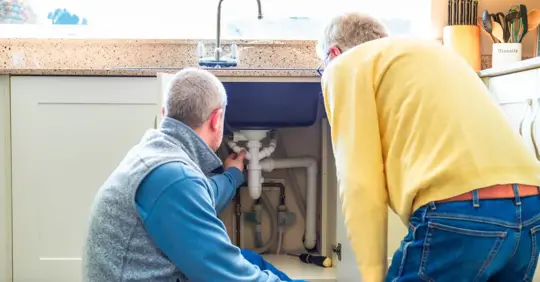
Winter in the Dallas-Fort Worth area might not bring heavy snowfall like northern states, but our unpredictable cold snaps can wreak havoc on your home's plumbing system. When temperatures drop suddenly—sometimes overnight—homeowners face unique challenges that can lead to expensive repairs and major inconveniences. The good news is that most winter plumbing problems can be prevented with some knowledge and preparation.
Don't wait until disaster strikes. If you're experiencing plumbing issues or want to winterize your home, contact C&E Pipe Services through our online contact form or call (682) 297-4090 today.
1. Frozen and Burst Pipes
Why It Happens in North Texas
Even though DFW winters are mild compared to other parts of the country, our pipes aren't always built to withstand prolonged freezing temperatures. When water inside pipes freezes, it expands and creates pressure that can cause pipes to crack or burst entirely. This is especially common in exterior walls, attics, crawl spaces, and unheated garages where pipes are more exposed to cold air.
The real damage often occurs when the ice thaws and water starts flowing through the compromised pipe, flooding your home. A single burst pipe can release hundreds of gallons of water per hour, causing thousands of dollars in water damage to floors, walls, and personal belongings.
Prevention Steps You Can Take
- Insulate exposed pipes in attics, crawl spaces, and exterior walls with foam pipe insulation sleeves
- Keep cabinet doors under sinks open during freezing nights to allow warm air to circulate around pipes
- Let faucets drip slightly when temperatures are expected to drop below freezing—moving water is less likely to freeze
- Disconnect and drain outdoor hoses, and shut off exterior faucet valves from inside your home
- Seal any cracks or openings in exterior walls where cold air could reach your pipes
If you do discover a frozen pipe, never use an open flame to thaw it. Instead, use a hairdryer or heating pad, and contact a professional if you're unsure about handling the situation safely.
2. Water Heater Breakdowns
The Increased Demand Problem
Your water heater works harder during winter months as incoming water is significantly colder and requires more energy to heat to your desired temperature. In DFW, groundwater temperatures can drop from the mid-70s in summer to the low 50s in winter. This increased workload puts strain on your water heater's components, especially if the unit hasn't been properly maintained.
Sediment buildup at the bottom of the tank becomes more problematic during winter because it acts as an insulator between the heating element and the water. This makes your water heater work even harder and can lead to complete failure when you need hot water most.
How to Keep Your Water Heater Running
Regular maintenance is your best defense against winter water heater problems. Consider flushing your tank annually to remove sediment buildup that reduces efficiency. Check the temperature setting on your unit—it should be set to 120 degrees Fahrenheit for optimal performance and safety.
Inspect the pressure relief valve to make sure it's functioning properly, and look for any signs of corrosion or leaking around the base of the unit. If your water heater is more than 10 years old, it might be worth having a professional inspection to assess whether replacement is more cost-effective than continuing to repair an aging system.
3. Clogged Drains and Sewer Lines
Why Winter Makes Drain Problems Worse
During the holiday season, your drains face increased pressure from cooking large meals, hosting guests, and more frequent use of garbage disposals. Grease and food particles that go down the drain can solidify more quickly in winter because the pipes themselves are cooler. This creates stubborn blockages that can lead to slow drains or complete backups.
Tree roots also cause more drain and sewer line problems during winter. As trees go dormant and surface water becomes scarce, roots seek moisture sources more aggressively, often finding their way into sewer lines through small cracks or joints.
Protecting Your Drainage System
The most important rule is to never pour grease or cooking oil down your drain. Instead, let it cool and solidify in a container, then throw it in the trash. Use drain strainers in kitchen and bathroom sinks to catch food particles and hair before they enter your pipes.
Be mindful of what you put in your garbage disposal during holiday cooking. Avoid fibrous vegetables, potato peels, coffee grounds, and pasta, which can create sticky masses that clog pipes. Run cold water before, during, and after using the disposal to help flush waste through the system. If you notice slow draining or gurgling sounds, address the issue quickly with professional drain cleaning before it becomes a major backup.
4. Sump Pump Failures
Understanding the Risk
While DFW doesn't typically receive massive amounts of winter precipitation, we do experience periods of freezing rain, sleet, and occasional heavy downpours. When temperatures fluctuate around the freezing point, water can accumulate quickly, and your sump pump becomes essential for preventing basement or crawl space flooding.
Sump pumps can fail during winter when discharge lines freeze, preventing water from being pumped out of your home. The pump may continue running but can't move water through the frozen line, which can burn out the motor or cause flooding in areas you're trying to protect.
Winter Sump Pump Maintenance
Before winter arrives, test your sump pump by pouring several gallons of water into the pit to ensure it activates and drains properly. Check that the discharge line slopes away from your foundation and isn't obstructed. Consider insulating the discharge line or installing a freeze-resistant line if your area is prone to hard freezes.
Keep the area around your sump pump clear and accessible. If you have a backup battery system, test it to make sure it will work during a power outage, which often accompanies severe winter weather. Listen for unusual noises that might indicate motor problems, and address them before the pump fails completely.
5. Hidden Leaks and Water Damage
The Silent Winter Threat
Small leaks that were barely noticeable during warmer months can become serious problems when winter temperatures cause pipes to contract and expand. These temperature changes can worsen existing weaknesses in pipe joints, connections, and aging fixtures. The problem is that many winter leaks occur in places you can't easily see—inside walls, under floors, or in attic spaces.
Higher water usage during the holidays, combined with these hidden leaks, can lead to surprisingly high water bills and structural damage that doesn't become apparent until it's extensive. Moisture from leaks in cold areas can also lead to mold growth and wood rot that compromises your home's structure.
Early Detection Strategies
- Monitor your water bill for unexpected increases that can't be explained by extra holiday guests or usage
- Check your water meter before bedtime and again in the morning without using any water—if it changed, you likely have a leak
- Look for water stains on ceilings and walls, especially after temperature drops
- Feel along exposed pipes for dampness or corrosion
- Listen for the sound of running water when all fixtures are turned off
Professional leak detection and repair services use specialized equipment that can locate hidden leaks without invasive investigation. Early detection can save you thousands in water damage repairs and prevent mold issues that affect your family's health.
Protect Your Home This Winter
Winter plumbing problems don't have to disrupt your season or drain your wallet. By taking preventive measures and addressing small issues before they become emergencies, you can keep your home comfortable and functional throughout the colder months. Regular maintenance and quick action when you notice warning signs are your best strategies for avoiding costly repairs.
Remember that some plumbing tasks are best left to professionals who have the training, tools, and experience to handle them safely and effectively. Whether you need help winterizing your plumbing system, addressing an existing problem, or simply want peace of mind, C&E Pipe Services is here to help DFW homeowners protect their most valuable investment.
Ready to prepare your home for winter? Reach out to us through our online contact form or give us a call at (682) 297-4090. Our team is ready to help you avoid winter plumbing headaches.